How can bio-based materials become a viable alternative to conventional plastics without compromising durability and performance?
July 29, 2026
Technologies Capable of “Smelling” Food to Reduce Waste: The European Serenade Project
August 3, 2026
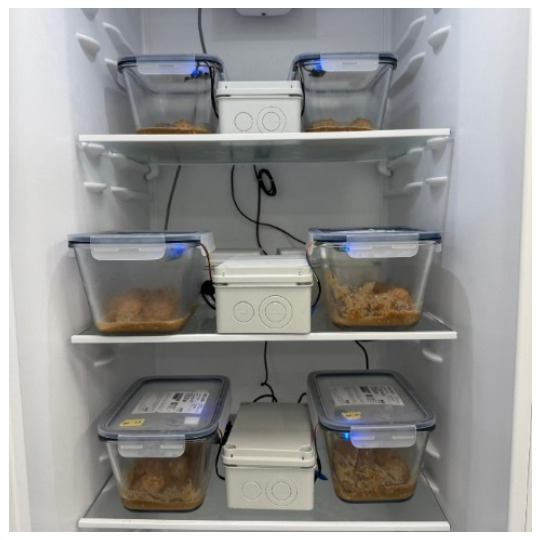
Researchers involved in the SERENADE project have published new results demonstrating how low-cost gas sensors can help assess the freshness of stored cooked food and support future solutions to reduce unnecessary food waste. The study, recently published in Chemosensors, investigated the use of metal oxide semiconductor (MOS) gas sensors installed inside ordinary food containers to monitor the degradation of cooked meatballs during refrigerated storage. The sensor data were validated through microbiological analyses, providing a direct link between the signals detected by the sensors and the actual spoilage status of the food.
The researchers combined advanced sensor operation techniques, calibration approaches, and machine-learning methods to classify food as edible or non-edible. The results showed that calibration procedures improved the robustness of the system, increasing classification performance when evaluating previously unseen sensors.
Beyond the technical achievements, the work highlights the potential of intelligent sensing technologies to address one of today’s major sustainability challenges: food waste caused by uncertainty about the true condition of stored food. According to the authors, consumers often discard perfectly edible food simply because they lack reliable information about its freshness.
The findings represent an important step towards future household solutions capable of providing users with objective freshness information and ultimately contributing to a more sustainable use of food resources.
Reference
Masi, L., Gurusamy, R., Garcia-Romeo, D., Schütze, A., Pagán, R., & Bur, C. (2026). Assessment of Cooked Meatballs’ Edibility Using Calibrated MOS Sensors and Microbiological Validation. Chemosensors, 14(7), 148. https://doi.org/10.3390/chemosensors14070148